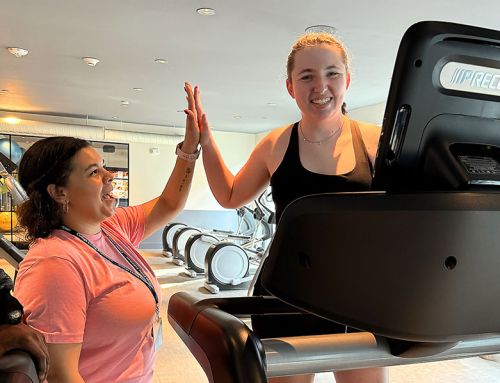
At College Living Experience (CLE), independence has always been more than a goal—it’s a developmental process. But real independence doesn’t take shape in isolation. It grows through exposure, variation, and the everyday unpredictability of life alongside others.
That’s why mixed residential environments matter.

These environments also create something you can’t easily manufacture: organic interaction. Conversations in hallways, shared moments in lounges, small negotiations over space and noise—these are the experiences where students learn to read social cues, initiate relationships, manage conflict, and build confidence. Not because they’re prompted to, but because life requires it.
There’s a practical side, too. Living among peers with different routines, expectations, and communication styles builds flexibility. It challenges students to problem-solve in real time. It prepares them for a world that is not curated—and that’s exactly the point.
At CLE, support doesn’t disappear in these settings—it evolves. It becomes more discreet, more respectful, and ultimately more effective. Students are guided, not defined, by the support around them. The environment does part of the teaching, and our role is to ensure the right scaffolding is thoughtfully layered in.
For families, this model offers something essential: confidence that their student is not only safe, but meaningfully integrated into a broader community. It’s the difference between practicing independence and truly living it.
A Personal Perspective
Throughout my career, I’ve focused on expanding access and improving outcomes for neurodiverse students navigating the transition to adulthood. I am passionate about helping families bridge the gap between high school supports and postsecondary expectations. This work reinforced a consistent truth: readiness isn’t just about academics. It’s about environment, opportunity, and the ability to apply skills in real contexts.
Across almost 20 years in education, one idea has remained constant: students rise to the level of the environments they’re placed in—especially when those environments are paired with thoughtful, individualized support.
Looking Ahead
At CLE, we are uniquely positioned to deliver on that belief.
Our model is not just about where students live—it’s about how they grow. By placing students in environments that reflect the realities of adulthood, and by surrounding them with support that is both strategic and respectful, we create the conditions for authentic independence.
As I begin this work, I’m excited to deepen our partnerships, strengthen our outreach, and continue aligning our admissions practices with the values that define CLE: integrity, access, and meaningful outcomes for students and families.
Because in the end, independence isn’t something we teach in theory.
It’s something students build—day by day, interaction by interaction, in environments that expect them to rise.
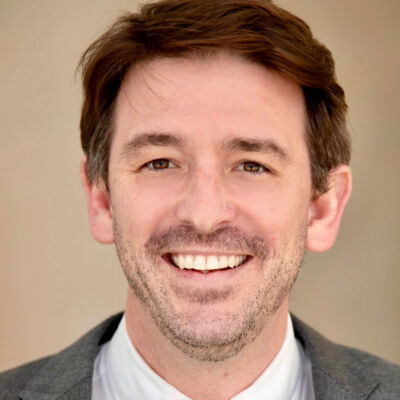 As the Vice President of Outreach and Admissions at College Living Experience, Mike leads national strategy to expand access and opportunity for neurodiverse students navigating the transition from K–12 education to college and career pathways. With a career spanning secondary and postsecondary education, accessibility strategy, and mental health services, Mike is passionate about supporting young adults with diverse learning, social, and executive functioning profiles.
Grounded in a commitment to experiential equity, Mike focuses on ensuring that students not only gain access to opportunities, but are meaningfully prepared to engage, persist, and thrive within them. His work bridges admissions, transition planning, and student development, helping students, families and institutions align support systems with real-world expectations, with a focus on true independent living.