
Written News Items
Neurodiversity – A Civil and Human Right
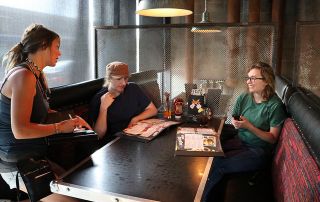
Neurodiversity is not just a new word, it’s a concept, a scientific and human based approach to neurological differences; it’s a movement to destigmatize and empower a large group of our population. When we speak of neurodiversity, we are asserting that our neurological differences are as fundamental to our humanity as the colors of our skin, the cultures and beliefs that shape us and our orientations.

Myths About Autism
Have you heard some of these common myths about autism… “Everyone with autism is ‘anti-social’ and doesn’t want friends,” or “People with autism are all pretty much alike,” or “People with autism don’t feel any emotion?”

Supporting a Community of Neurodiverse Students
Neurodiversity is the concept that neurological differences such as Autism, ADD, and ADHD are the result of naturally occurring variations within the human genome. Neurodiversity promotes and embraces our differences. This way of thinking focuses more on accommodating and supporting the neurodiverse population rather than looking for a cure or a way to "fix" the behaviors exhibited by those with neurological differences.
A Person is More than their Diagnosis
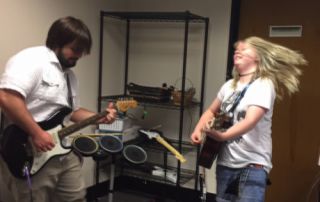
Images, stereotypes, and ideas of diagnoses, we all have them. If I were to name a few, I imagine that a few images might be conjured in your head. For example, if I mentioned Attention-Deficit/Hyperactivity Disorder (ADHD), you might picture a boy running around the room while a teacher is struggling to teach a class. If I brought up the term, Reading Disorder, you might picture a young girl reading a series of letters in the wrong order. If I said, "he has an anxiety disorder," you might picture a man struggling with leaving the house, shivering in a corner.
Preparing Young Adults for the Workforce: A Successful Experience for Employer and Employee
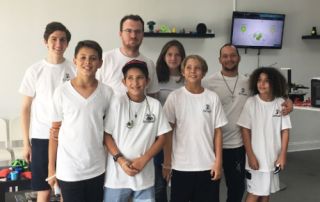
One of the most important aspects of adult life can be finding a rewarding career that provides the opportunity to contribute, learn, and grow personally and professionally.